HOLIDAY (1938)

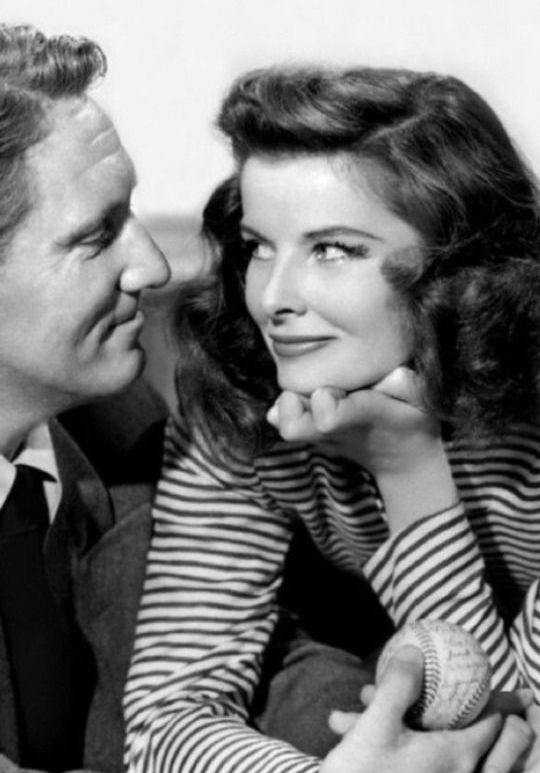
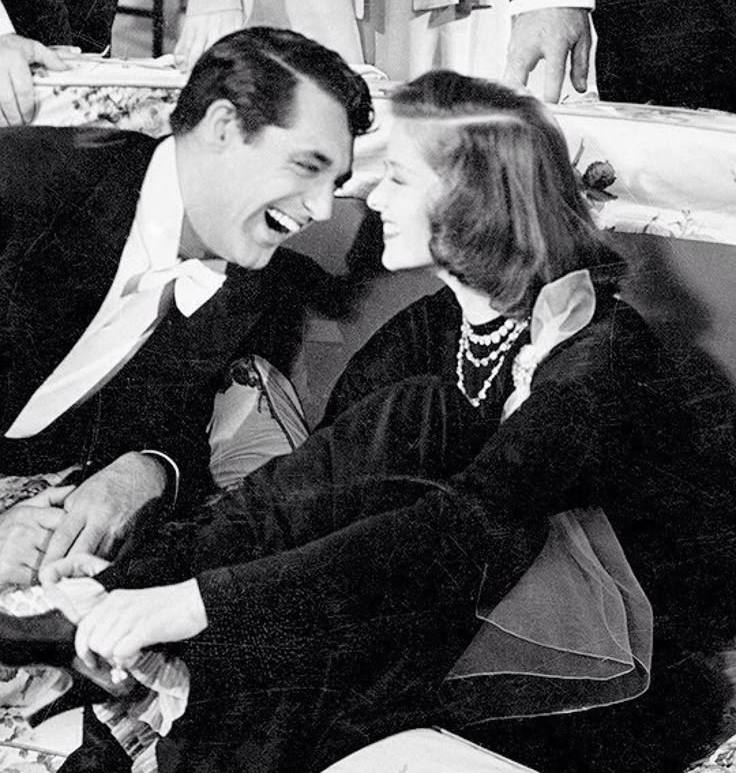
In our next stop along our Katharine Hepburn film study, we remain in the 1930s with George Cukor’s HOLIDAY (1938). Many have considered this film as part of a trio for Hepburn during this time. BRINGING UP BABY (1937) and THE PHILADELPHIA STORY (1940) bookend this film, with all three featuring Kate as wealthy socialite who is privileged but with a heart of gold. The … Continue reading HOLIDAY (1938)

STAGE DOOR (1937)

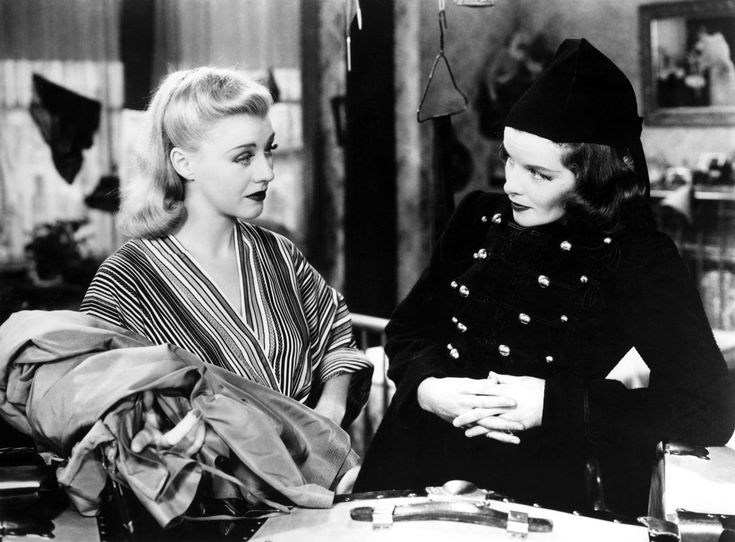
As we begin our Kate Hepburn voyage, let’s explore Gregory La Cava’s STAGE DOOR (1937). This film was her thirteenth. All with RKO, as required by her studio contract. She started off strong, with her third film (MORNING GLORY, 1933) bringing her the first of her Best Actress Oscars and the huge success of LITTLE WOMEN (1933). However, by 1937, Kate was starting to feel … Continue reading STAGE DOOR (1937)

KATHARINE HEPBURN, a Film Study

Of all the Golden era Hollywood movie stars, it’s impossible not to think immediately of Katharine Hepburn. Her on-screen career spanned decades. The public has been fascinated with her from the very beginning. Truthfully, we still are.  A strong-willed and fiercely independent person, she became a feminist icon. It was in her DNA. She grew up in Connecticut to upper class parents- her father Dr. … Continue reading KATHARINE HEPBURN, a Film Study

VERTIGO: A Mid Century Modernist View on Symbols, Sounds, Colors… and Obsession

Hitchcock was in the business of making movies. “The master of suspense” was at the height of his game during his years at Paramount while making VERTIGO, a film that would later become a classic, and many have claimed it as the greatest film of all time.    For Hitchcock, his storytelling goes above and beyond a solid murder mystery or a fun whodunnit. With … Continue reading VERTIGO: A Mid Century Modernist View on Symbols, Sounds, Colors… and Obsession

A Study Guide of a Classic Comedy, NINOTCHKA (1939)

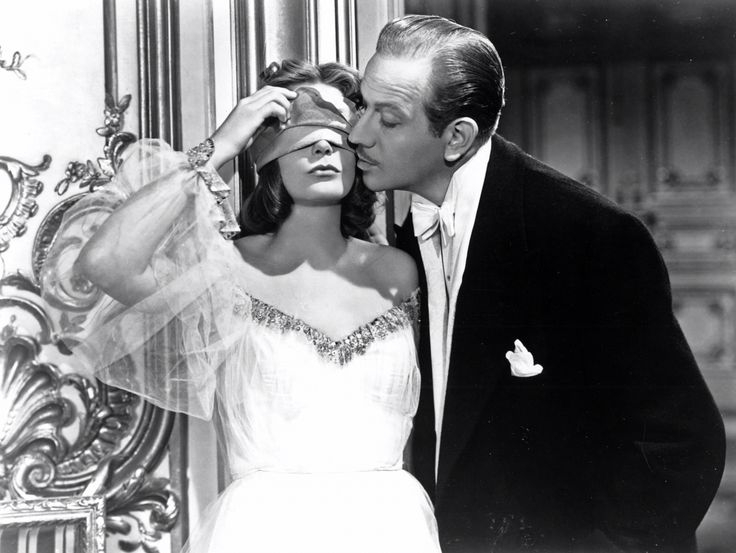
As we discovered through my class, 1939: The Greatest Year in Cinema History, this timeline was an extremely busy year- on screen, in the Hollywood studios, and in the world. Following the discussions of films like CONFESSIONS of a NAZI SPY (1939) and THE MORTAL STORM (1940) which highlighted the rise of Germany’s Nazi party, we transitioned to the Russian side of political arena in … Continue reading A Study Guide of a Classic Comedy, NINOTCHKA (1939)

A Fitting Tale for Our Times… THE MORTAL STORM (1940)

For our 2nd film to explore in our journey into “the Greatest Year in Cinema History: 1939,” we’re taking a liberty with the primary goal of our course by discussing a film from 1940. Initially, I had scheduled Anatole Litvak’s CONFESSIONS of a NAZI SPY (1939), starring dynamic Edward G. Robinson. I do highly recommend CONFESSIONS, but I think there is a more finessed approach … Continue reading A Fitting Tale for Our Times… THE MORTAL STORM (1940)

THE BREAKING POINT (1950)

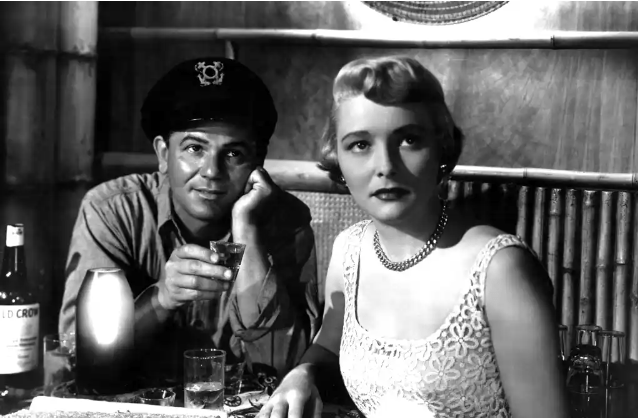
While Michael Curtiz would go on to make more films (22 more) in the decade following 1950, it is with good reason that I have chosen THE BREAKING POINT as the film to finish out our Curtiz journey. “Noir Czar” Eddie Muller while being interviewed on TCM by Robert Osborn once described this film as” brilliant,” and his favorite Michael Curtiz film; and yes, he … Continue reading THE BREAKING POINT (1950)

To jazz up your day… YOUNG MAN with a HORN (1950)

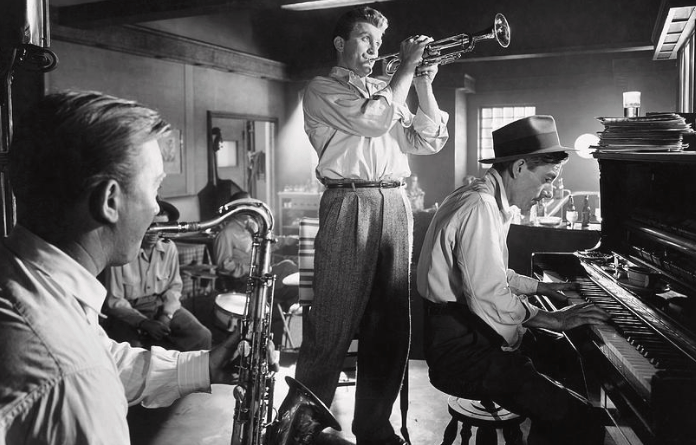
As we cruise farther along our Michael Curtiz journey, today we’re pulling over to a little jazz club to discuss, YOUNG MAN with a HORN (1950). At this point, we have explored a variety of film genres that Curtiz not only explored but excelled in directing. Now let’s look at a film that is not only a biopic, but a musical biopic. American novelist Dorothy … Continue reading To jazz up your day… YOUNG MAN with a HORN (1950)

A Film Study: CASABLANCA (1942)

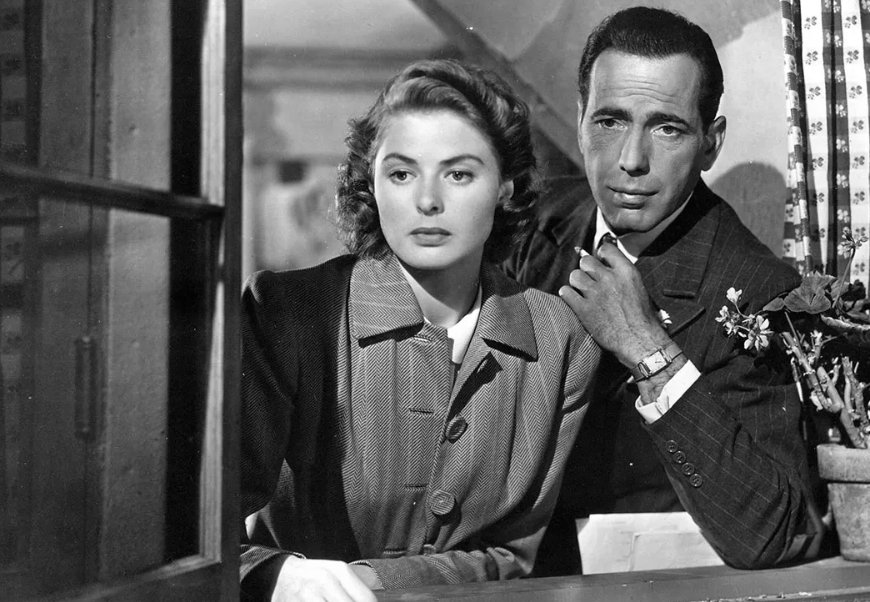
I’m shocked, shocked to find any evidence of a cinematic soul that isn’t in love with the film we’re discussing today, CASABLANCA. It’s not only a film that many a classic film fan would describe as their favorite, but it’s easily a film that could be described as an essentially perfect film. In many ways, with the experience of working within a wide variety of … Continue reading A Film Study: CASABLANCA (1942)

A Gangster Morality: ANGELS with DIRTY FACES (1938)

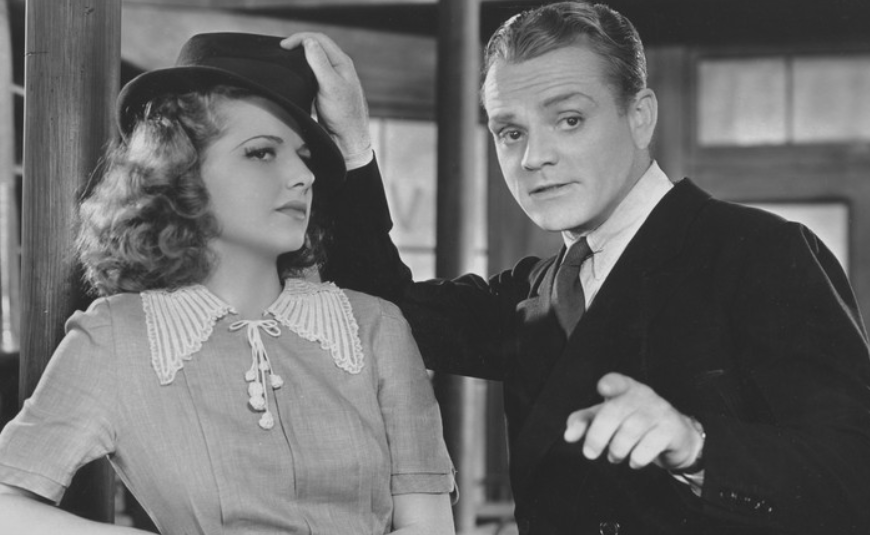
Warner Brothers’ house style during the 1930s embraced gangster films, along with the occasional big production musicals. During the Pre-Code years of the early 1930s, those gangster films were gritty and violent and made James Cagney (THE PUBLIC ENEMY, 1931) and Edward G Robinson (LITTLE CEASAR, 1931) big stars. But once the production code became enforced during the second half of the 1930s, the studio … Continue reading A Gangster Morality: ANGELS with DIRTY FACES (1938)