
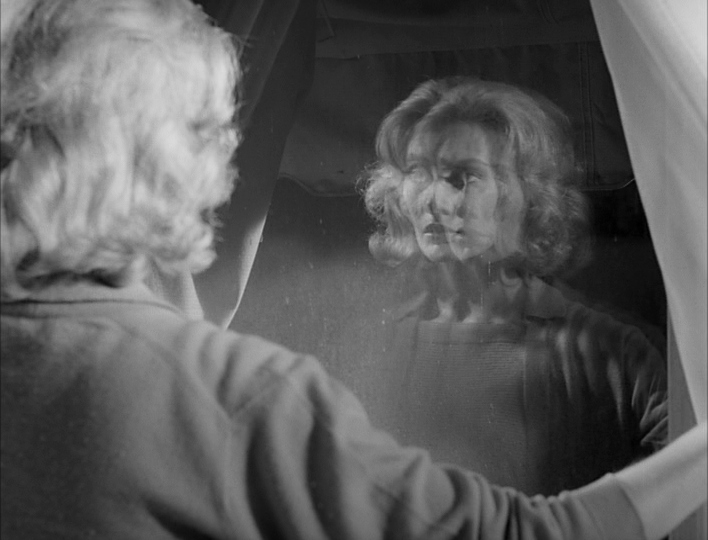
A charming, small town in ‘Middle America.’ A simple way of life where neighbors are friendly, polite, but cautiously on guard of strangers that behave strangely. In Herk Harvey’s only feature film/now cult classic, CARNIVAL of SOULS (1962), the small college town of Lawrence, Kansas was the perfect setting for the eery, atmospheric horror.
In the early 1960s, with a population of little over 30,000 the university town in the epicenter of the contiguous United States, was more notable for its inventor of basketball and its gateway stronghold for Abolitionists as ‘Bleeding Kansans’ and the Free State territory that became a state a century prior, than as a filming location. But as any true fan of horror or psychological drama knows, sometimes the most terrifying stories take place in the most familiar and benign of settings. Any good story begins with connecting to a time, a place, a protagonist that feels like ‘everyday people,’ that is capable of extraordinary events. We let our guard down, we sense a trustworthy companion. We go along for a ride, open to experience the journey ahead. [Warning, there may be spoilers ahead in this journey.]
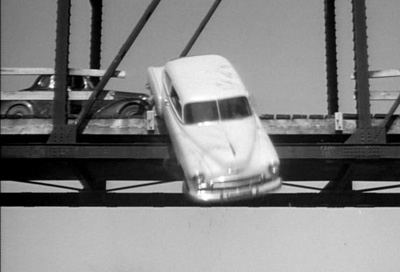
In this case, our protagonist is Mary Henry, portrayed by Candace Hilligoss, organist for the local organ shop in town. A quant little Kansas town that she can’t get away from fast enough. She and two other young women drag race against another car of young men, and cross an old bridge. Their car crashes into the river and Mary was eventually found crawling out onto the muddy riverbank. Compelled to leave her worries behind, she takes a job in Utah as a church organist.

Mary doesn’t hide the fact that she is no ‘church lady.’ She’s skilled as an organist but not religious. She fiercely protects her views as an independent, free thinker. She’s an isolationist. As strong-willed as she is, her solo adventure from Kansas to Utah brings a ghostly figure, but she’s determined to proceed. Even when asked if she’ll stop to see her parents on the way, she insists she can’t afford the time. As though fate is pulling her along. Another intangible force is at play when she arrives in Salt Lake City. On the outskirts of town, an abandoned carnival calls to her. She can’t explain it, but she is drawn to it like a siren call.
Mary doesn’t fit in in this new town, just like the one she left. She makes no reference or inquiries to friends or her family. She’s not social and doesn’t pretend to be. Her ghostly figure follows her. She’s frightened, feels alone. But is inextricably drawn to the carnival. She doesn’t know if she’s going mad, or the town is. Torn between worlds, she is not at home anywhere. She will eventually find her way, but not the one she intended.
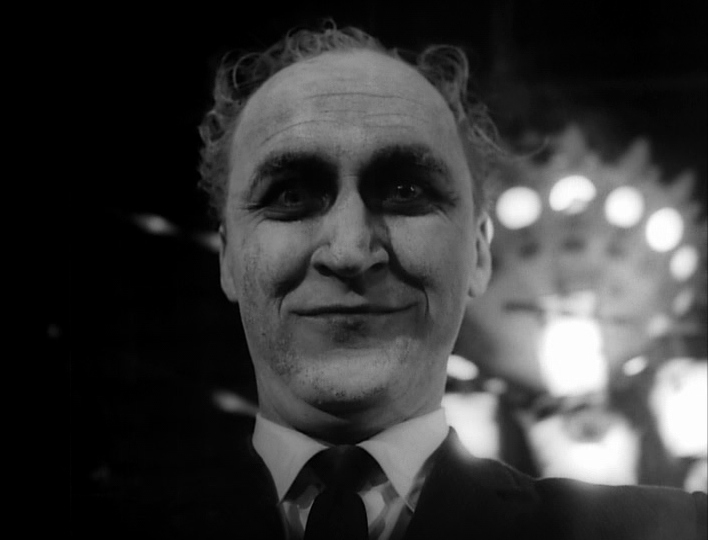
Director/screenwriter/actor/producer Herk Harvey (June 3, 1924 – April 3, 1996) was a theatre grad at the University of Kansas. After summer stock and several stage productions while in school, he received his doctorate at University of Colorado, then he came back to Lawrence to teach theatre at KU. Starting in 1947, the Centron Corporation in Lawrence, Kansas became the premiere industrial and educational film company in the United States. Harvey joined Centron in 1952 and transitioned into the film world as a director/screenwriter/producer of award-winning short films (educational, industrial, government, and documentary, and travel films). He would work for Centron for over three decades, then retired in 1985. After his first decade at Centron he approached fellow Centron writer John Clifford to scribe a screenplay for a feature film. Driving back from filming in California, Harvey got the idea for CARNIVAL of SOULS as he noticed the abandoned Saltair Pavilion in Salt Lake City.
With only three weeks off from work to conduct all the filming, and raising $33,000 from local businesses and scraping together whatever they could, Harvey relied on a lot of local investors and favors to pull off this low budget psychological horror. With very little distribution upon release by a new distribution company that quickly went bankrupt, the film was mostly forgotten for a couple of decades. In the mid to late ’80s, late night and arthouse screenings popped up a following, including a home video release. In 1989, a cast and crew reunion came together in Lawrence. Since then, the film has continued its rise in cult classic popularity with screenings at film festivals and a Criterion release (on DVD in 2000, on Blue-ray in 2016). CARNIVAL of SOULS organically built up its own audience, all on its own merit. It was also said to be highly influential for George A. Romero’s making of NIGHT of the LIVING DEAD (1968).
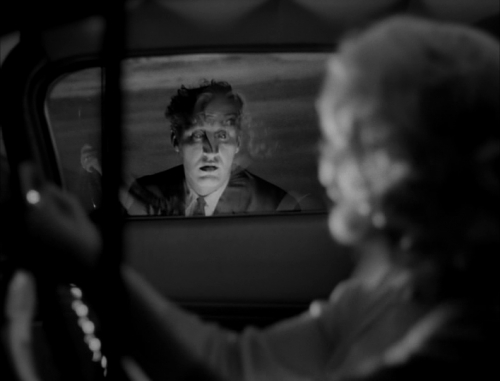
Director Jean Cocteau’s BEAUTY and the BEAST and BLOOD of a POET were heavy influences on this film, according to Harvey. He said that he wished to achieve the “look of a Bergman and the feel of a Cocteau.” Harvey died on April 3, 1996 of pancreatic cancer but lived long enough to see his only feature film become a horror classic. He will forever be remembered as the filmmaker of this memorable film, but also as the uncredited “the man” aka the ghoulish figure who doggedly pursued poor, lost Mary.
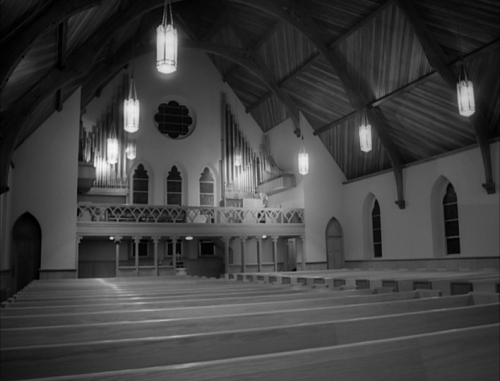
Candace Hilligoss (b. August 14, 1935) was stage-trained with famed Lee Strasberg in New York. She was paid $2,500 for her role as Mary Henry. She appeared in another low budget horror, THE CURSE of the LIVING CORPSE (1964). Just last month she came to Lawrence for a screening of this film, at one of the filming locations, Trinity Episcopal Church.
The film has a staying power as an enduring classic in the horror genre because it stays true to simple rules of storytelling and classic styles of filmmaking. It reflects realism, and a moody, atmospheric style that haunts the soul. The character of Mary is even more relatable today than she was in 1962. She’s a strong, resolute young woman who is determined to do things on her own terms. Ironically, she feels more real, even as we question her realness, as the story progresses.
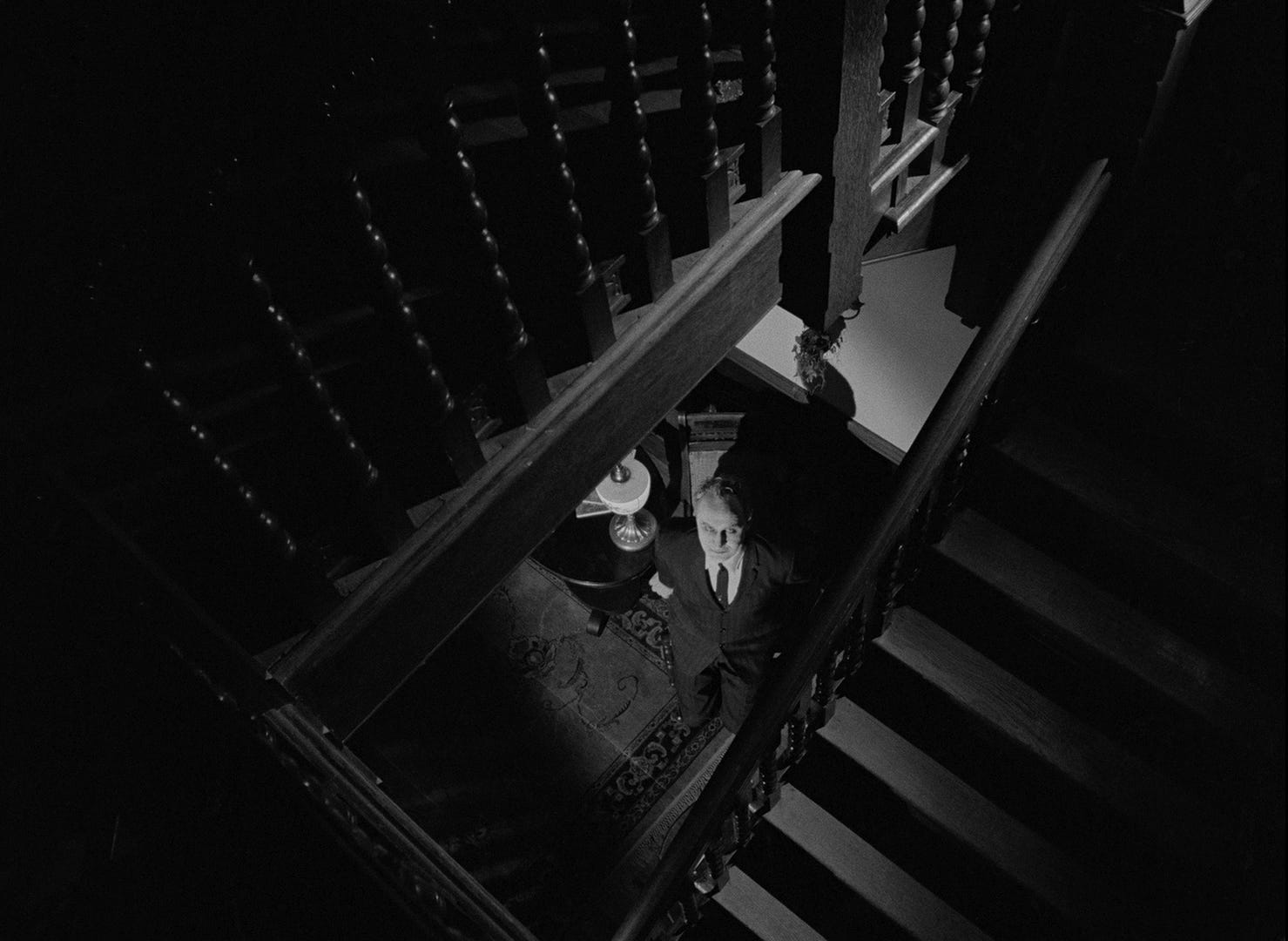
Cinematographer Maurice Prather (September 6, 1926 – January 9, 2001) was also a local and KU Jayhawk who worked at Centron. In his decade there, he photographed over a hundred films, including award-winners. It’s their combined years of experiences in documentary filming that is reflected in this film. While Prather left Centron in 1962 to pursue other photography interests, even dabbling an attempt at Hollywood movies, his preference was still photography. He and his family moved back to Kansas City in 1983 where he lived the rest of his life. But there is no doubt that the cinematography in CARNIVAL of SOULS remains a huge influence in horror genre to this day.
One of the biggest influential factors that sets the tone for this film is the music. The original score was created by Gene Moore. The heavy organ focus was the perfect accompaniment to imbue a thoroughly haunting, unsettling feel. It ties into the lead character but it also runs throughout in this film perfectly. It evokes a sense of loss, of loneliness, and a haunted tale all at once. We are transported into a hypnotic, sleep walking daze. If there is a purgatory, surely this film has prepared us.
Gene Moore score: https://youtu.be/91WxZQ3JLQk?si=7Sx58bQYX3JIwLpr
In full disclosure, I have a personal bias towards to this film. I graduated from KU and have lived in Lawrence, Kansas ever since. Both east and west coasts in the United States are well known as the filming locations for hundreds of films, but we only have a few claims to fame here. Another horror in the heartland classic, the television film, “The Day After” (1983) was filmed here. While the Saltair Pavilion and parts of Salt Lake City were used for some scenes, Lawrence was an easy choice for most of the filming.
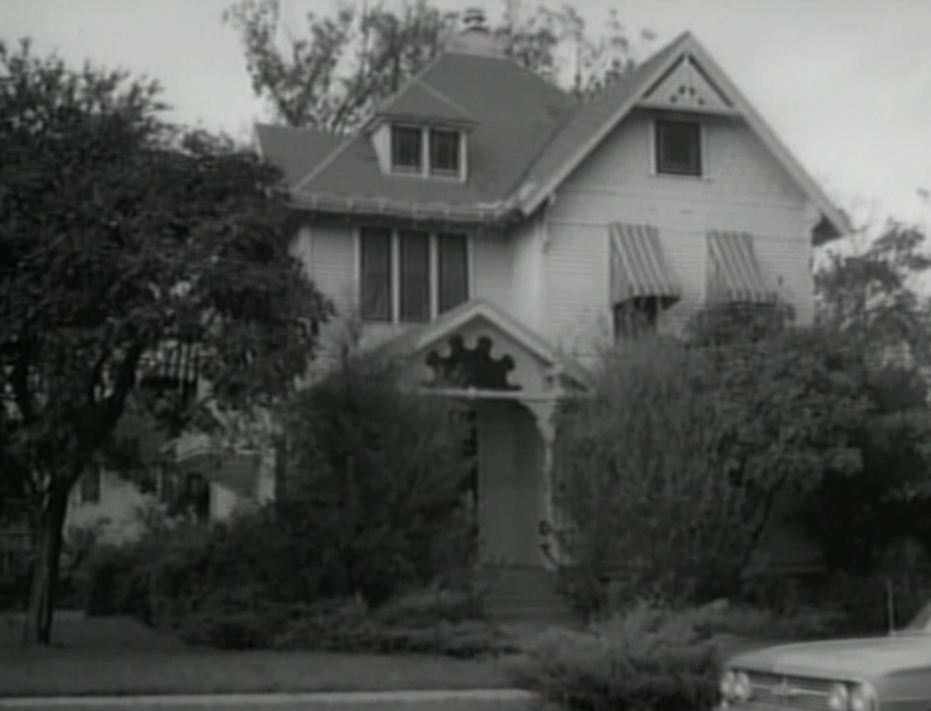
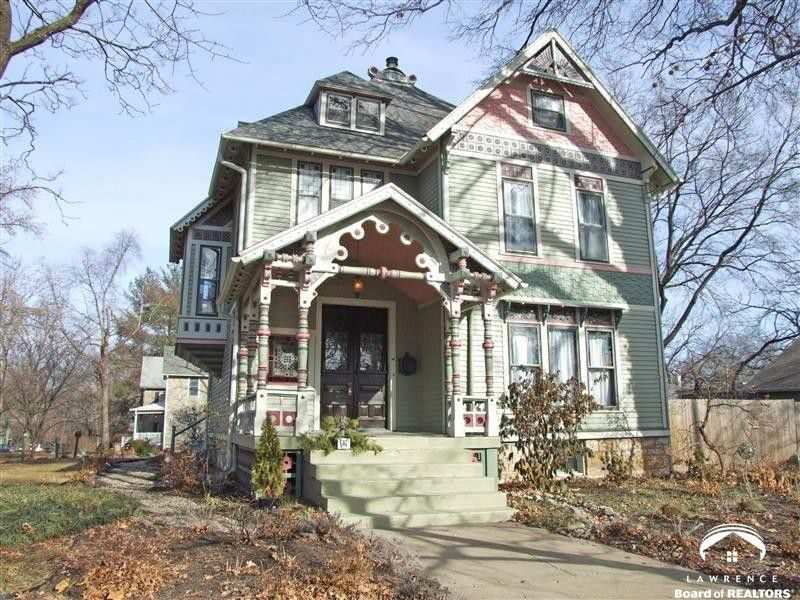
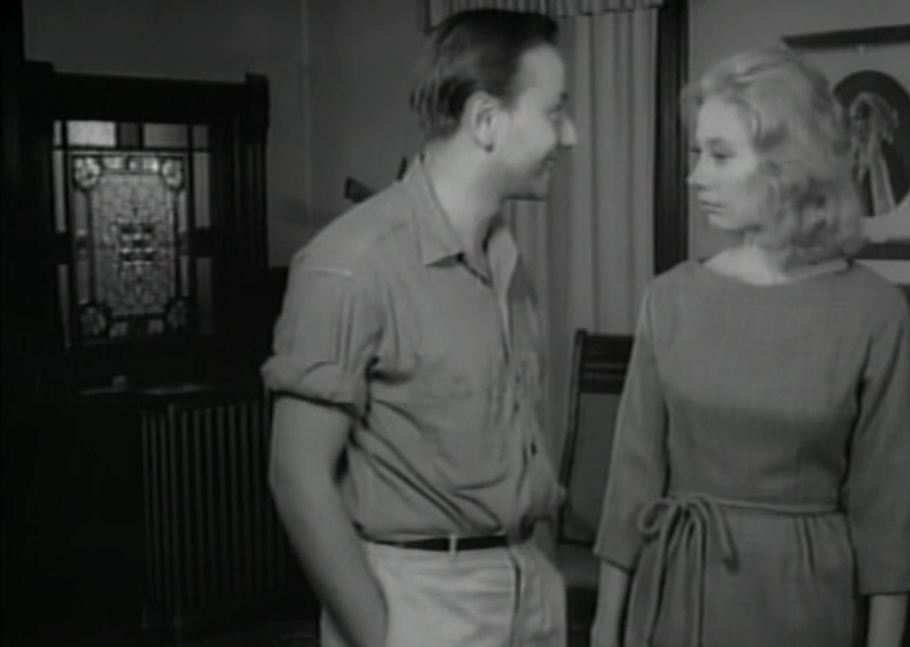
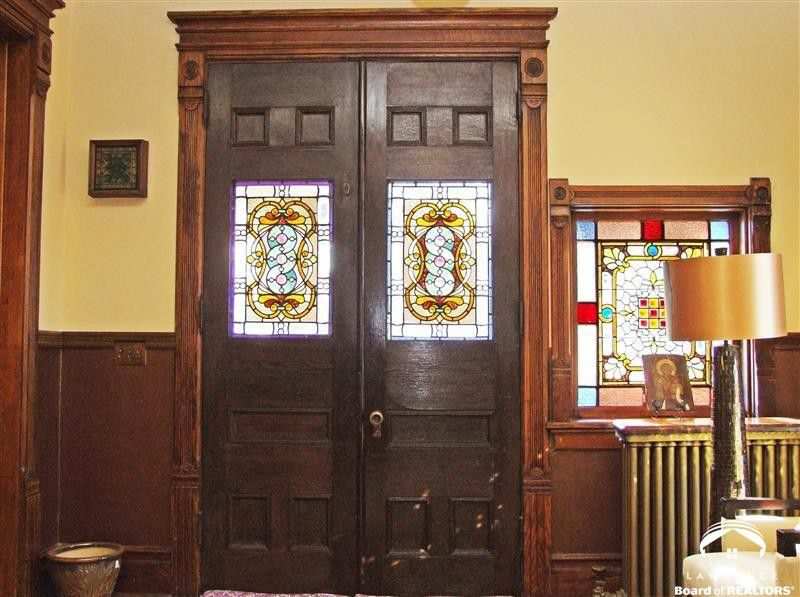
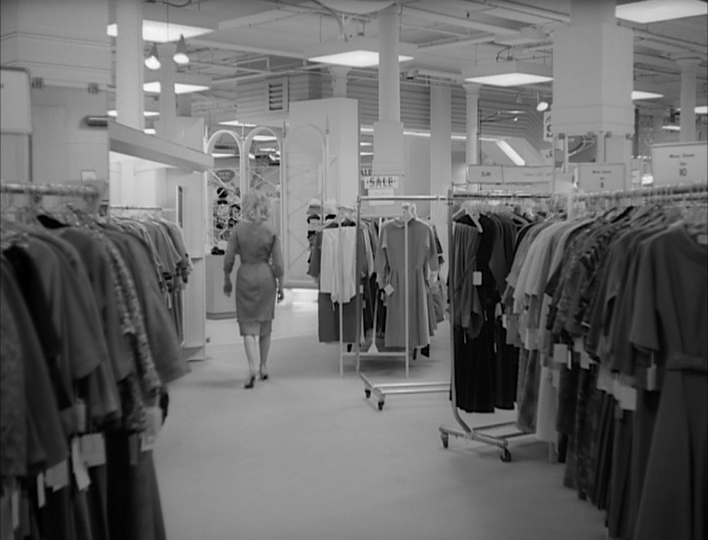
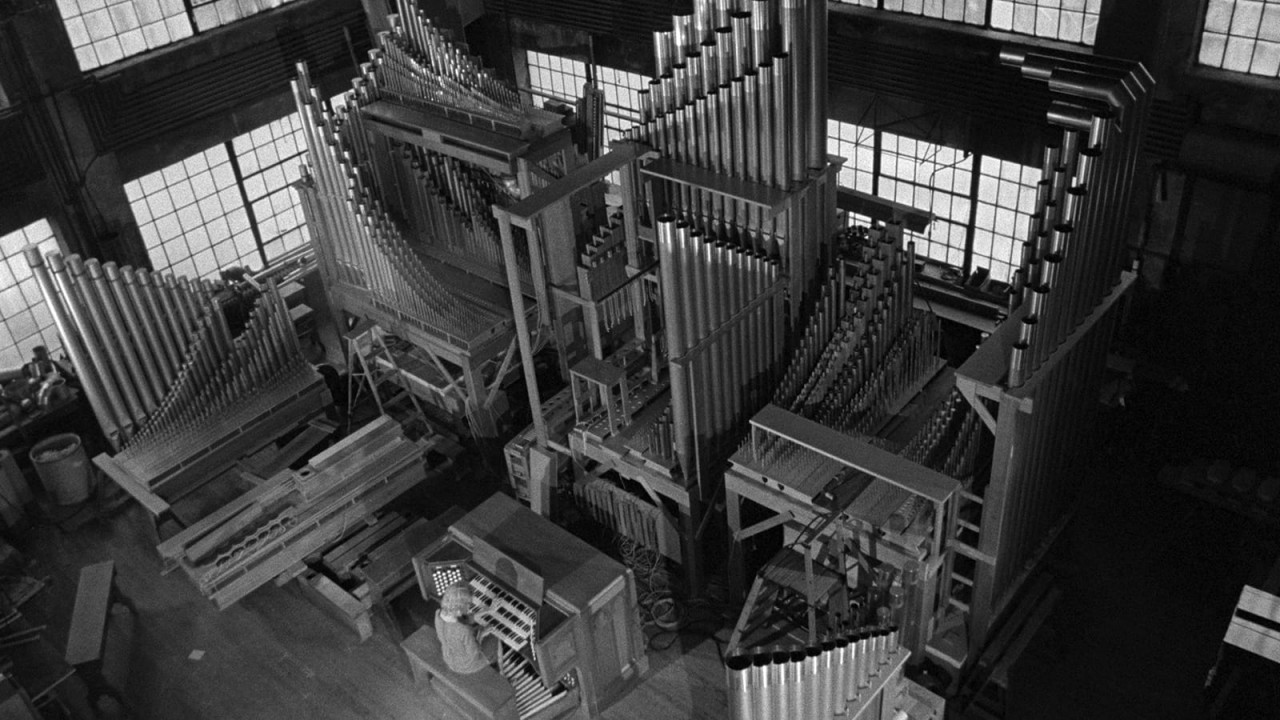
Living here, I drive past the filming locations from C of S all the time. Most of these spots are within a mile or two from my house- some look surprisingly unchanged. The Reuter Organ Company was the large building where we see Mary demonstrating her organ skills with the towering pipes in the beginning. The company operated in this building for 80 years before moving to a larger facility in 2001, then they significantly scaled back in 2023 when the building was sold. Now they only perform repairs. The boarding house where Mary stays in Utah is a private residence near downtown Lawrence and it’s been beautifully maintained. The interior shots of Mary playing organ in the church in Utah are essentially unchanged today from the local Trinity church near downtown Lawrence. The many downtown exterior shots look differently today, but while the store fronts have changed, it’s still recognizable.
The echos of CARNIVAL of SOULS are visible all around me, normalized in my daily life. And yet the eerie, haunting quality of this film is as powerfully effective every time I watch it.
Sources:
“This 1962 Cult Classic Filmed in Lawrence Is ‘The Scariest Movie Ever.” Courtney Bierman. KCUR.org. Oct. 27, 2019.
“Carnival of Souls (1962) Understands That Kansas is a Geographic Metaphor.” Jeremy Burgess. Dust On the VCR. Oct. 14, 2022.
imdb
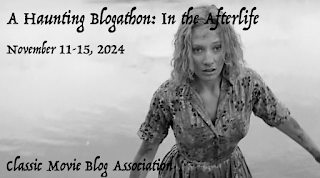
*This article was part of the CMBA Fall Blogathon, A Haunting Afterlife.


First time I watched this was late one weekend night and it thoroughly creeped me the hell out. Made sure whenever I re-watched it, was during daylight. Wonderful look at this film, Kellee. 🙂
LikeLike
I love the eerie, surrealistic vibes of this film. The Cocteau influence is definitely there.
LikeLike
It’s been on my horror movie watch list for a while. Thank you for reminding me to dive in and watch it already. Great post! -A Vintage Nerd xox
LikeLiked by 1 person
This is a fantastic read. It’s really astounding to me that Harvey’s only film has endured as one of the most haunting explorations into classic horror. It’s truly an incredibly surreal journey and I love how you shared some of the locations! I can see why you’d be so sentimental about it. It’s an eerie masterpiece.
LikeLike
Hey girl – I watch “Dateline” and know that stuff happens in the heartland! I want to check this one out when I’m ready (not a dark and stormy night). And I loved the “then and now” look at locations – really love that kind of thing.
LikeLike
Thanks for sharing the hometown history of this film. As a movie fan, it’s priceless to learn this type of background from “a local.” I loved learning the about locations and the local ties of some of those involved. The story you shared about Weaver’s department store and the tuxedo is so much fun. I had no idea that it was Herk Harvey’s only feature film – what a legacy for him to leave. – Toni
LikeLike
Fascinating post, Kellee! I loved reading about your personal connection to the film and seeing the locations as they appear now. Though I have yet to see this title, the carnival “of souls” in the midwest reminds me of “Something Wicked this way Comes” by Ray Bradbury. I wonder if there’s a connection there. Great post!
LikeLike
I never get tired of reading or hearing about this movie, and loved your location pics and connections to it. A marvel of low budget and big ideas, and so enduring. And in a way you could say it was Harvey’s most industrial and educational film!
LikeLike
Loved this post, Kellee — you had me from the moment I read that it was based in Lawrence! I think I may be too chicken to watch it (after dark, at least), but I really enjoyed reading about it, and your photos were such a bonus. Good stuff!
Karen
LikeLike
I’ve had this movie on my watchlist for a long time, and now I’m totally intrigued. It looks so, so good.
LikeLike